Your go-to resource for men's fashion advice - from hnding the perfect business casual pants to building a versatile wardrobe
without overspending.
Every guide is based on real wear-testing, honest comparisons, and practical tips for modern men who want to look sharp at
work, events, and everyday life.
Your go-to resource for men's fashion advice - from hnding the perfect business casual pants to building a versatile wardrobe without overspending.
Every guide is based on real wear-testing, honest comparisons, and practical tips for modern men who want to look sharp at
work, events, and everyday life.
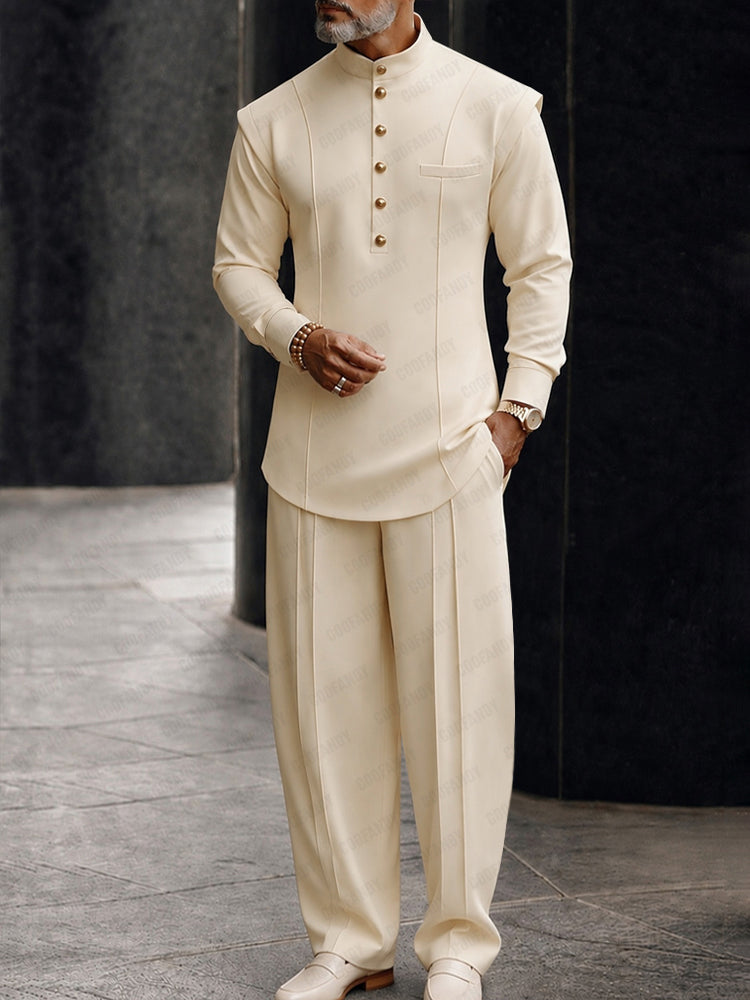
If picking vacation outfits stresses you out, matching 2-piece sets are the cheat code. Pre-coordinated, zero styling required. Here are the best options under $60.
A dress shirt needs to do more than look tidy on a hanger. It has to work when you are seated at a meeting, reaching for a coffee, walking into dinner, or standing through an introduction. The useful details are visible ones: where the collar sits, what the sleeves do when your arms bend, and whether the shirt still looks right after twenty minutes in a chair. Try a shirt with an actual trouser and shoe pairing before you decide it has a place in the wardrobe. That small effort reveals more than a category label. It also makes it easier to see whether the shirt belongs at a meeting, a dinner reservation, or a relaxed social plan.
The easiest way to make sense of men's shirts is to separate knit tops from woven shirts. Knits, including T-shirts, Henleys, and polos, feel softer and more casual. Woven shirts, from Cuban collars to dress shirts, bring more shape through the collar, placket, and hem.
Layer a crewneck sweatshirt or hoodie under a jacket by matching weight, controlling hood and hem bulk, and keeping the casual outfit's proportions clear.
Choose a men's fall interview outfit by employer formality, interview format and weather, with clear options for shirts, pants, blazers and outer layers.
Wear a polo under a blazer with a stable collar, compatible fabric weight, clean combined fit and the right tuck and trouser choice for smart-casual settings.
Layer a men's quarter-zip over T-shirts, polos or button-ups with practical zipper, collar, fit, weight and trouser rules for casual and office settings.
In 50-60°F weather, most men need a complete base outfit plus one removable layer. Around 60°F, a long-sleeve shirt, polo or light sweater may be enough during active daylight hours. Near 50°F, or with wind, rain and long outdoor exposure, add a jacket or coat that fits over the base. Personal comfort and activity level can change the answer substantially.
For a fall wedding, men should follow the invitation's dress code first, then adjust fabric weight, color and outer layers for the season. Black tie still calls for formal eveningwear; cocktail usually calls for a dark suit or polished tailoring; semi-formal allows more flexibility; and dressy casual can use refined separates. Autumn color never overrides the stated level of formality.
The best men's sweater depends on what it must do. Choose a crewneck for simple everyday layering, a cardigan for easy temperature changes, a quarter-zip for adjustable coverage, a polo sweater for a cleaner collar, or a turtleneck for a continuous neckline under a jacket. Fabric composition, gauge, fit and care still need to be checked on the current product page before buying.
A practical men's fall capsule wardrobe can work with 10 clothing pieces: three bases, three knits, two pairs of pants, one overshirt and one jacket. The key is not the number alone. Every top must work with both pants, and each layer must fit over at least two bases. The system below produces 30 distinct outfits without counting shoes or accessories as separate pieces.
The most useful fall colors for men are not a list of trends; they are colors that combine easily with clothes you already own. Oatmeal lightens dark outfits, brown adds warmth, burgundy provides a controlled accent, and olive works almost like a neutral. Start with one of these colors, add one dependable neutral, and use a third color only when it has a clear job.
When you do not know what to wear in fall, use a four-part formula: pants that match the occasion, a base layer that works indoors, one removable warm layer, and footwear at the same formality level. The 12 combinations below cover mild weekends, cool commutes, casual offices, dinners and outdoor plans without requiring a separate wardrobe for each.
The easiest way to build a men's fall outfit is to dress for the actual temperature and occasion, then add layers that can come off without leaving the base outfit unfinished. Start with trousers or dark denim, add a shirt or lightweight knit, and carry one purposeful outer layer. That simple sequence works better than buying a separate look for every autumn day.
Choose a men's fall date-night outfit by venue, formality and weather, with practical base outfits, removable layers and restrained color combinations.
To style a men's sweater vest, choose the underlayer first, keep the vest hem near the waistband, and balance its width with straight or gently tapered pants. A V-neck vest shows more of a shirt collar and tie; a crewneck or higher neckline feels more casual. The advice here applies to knitted sweater vests, not suit waistcoats, western vests or sleeveless outerwear.
To wear a cardigan well, match its weight and collar to the occasion, choose the underlayer before buttoning it, and keep the hem in proportion to your pants. A fine cardigan can replace a light jacket in smart casual outfits; a shawl-collar, hooded or strongly textured cardigan usually belongs in more relaxed settings.
Short answer: Choose men’s casual shirts by where the fit fails, not by a body-type label alone. Locate pulling, excess cloth or the wrong length, then compare the relevant measurements. A shirt should let you sit and reach before you decide whether you like its outline.
Short answer: Choose 100% linen if linen fiber content is non-negotiable; rule out blends on that basis. Otherwise, choose the specific shirt whose closure, cut, measurements and care routine meet your needs. This guide does not establish a winner for airflow or wrinkle recovery.
A useful COOFANDY linen-shirt shortlist starts with what you need the shirt to do: open over a tee, work as a short-sleeve button-up, provide pure-linen content, or include your measurements. These seven picks compare those listed attributes—not the wider menswear market.
Short answer: Good pants to wear instead of jeans include chinos, linen pants, drawstring pants, lightweight travel pants, smart joggers, knit pants, and corduroy or brushed-cotton trousers. The easiest way to choose is to name what bothers you about denim: perhaps it feels hot on the commute, stiff after lunch, too casual for work, or simply a little predictable.
A long flight and an afternoon of city walking ask different things of men's lightweight travel pants. Add dinner, a small suitcase and limited laundry, and the lightest pair may not be the most useful one.
Men's linen pants should feel easy, but they should not make you spend the day fixing the waistband or wondering what shows through in sunlight. A good pair stays comfortable when you sit, hangs cleanly when you stand, and works with the shirt and shoes you already planned to wear.
Short answer: Choose a men’s linen shirt by occasion, fit and coverage. For relaxed weekends, compare open-collar or short-sleeve styles; for a casual office, start with a tidy long-sleeve cut and check the dress code. Read the full fiber composition and care label before choosing a color.
Learn how to wear a men’s turtleneck sweater with a blazer. Compare knit weights, jacket fit, color combinations, shoes, and seven office-to-date outfits.
Build a practical men’s campus wardrobe with shirts, pants, layers, matching sets, and five outfit formulas for class, presentations, events, and dates.




 Track Order
Membership
Track Order
Membership


